How Cross-Border Data Sharing Agreements Reshape Audit Trails for Jackpot Verification in Portable Gaming Ecosystems
Elena Richter · Sep 8, 2026
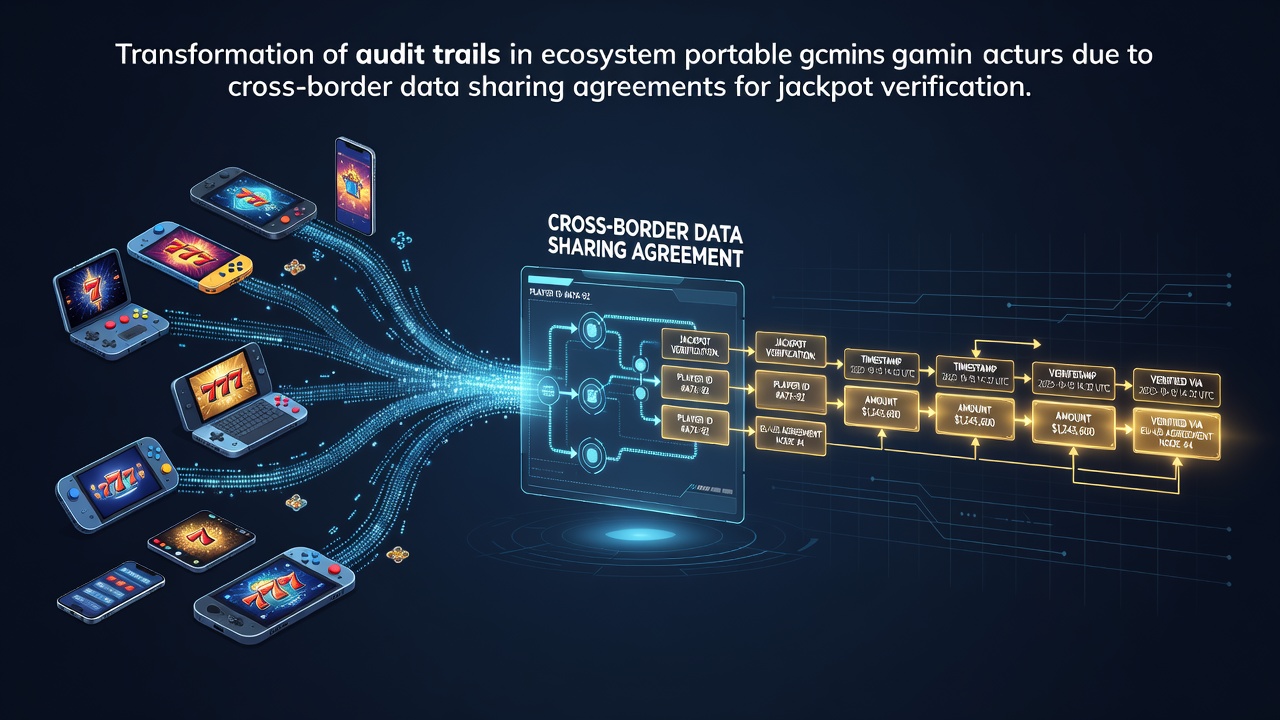
How Cross-Border Data Sharing Agreements Reshape Audit Trails for Jackpot Verification in Portable Gaming Ecosystems
Cross-border data sharing agreements have started to alter how audit trails function in jackpot verification across portable gaming platforms, and the shifts became more pronounced as regulators coordinated new protocols during 2025. These pacts between jurisdictions allow gaming operators to exchange transaction records, player identifiers, and verification timestamps in structured formats that maintain chain-of-custody standards. Portable ecosystems, which include smartphones, tablets, and other handheld devices, generate high volumes of real-time data that must cross multiple regulatory boundaries before a progressive jackpot claim reaches final confirmation.
Mechanics of Data Exchange in Regulated Environments
Agreements typically require standardized data fields such as bet sequences, random number generator outputs, and geolocation markers, while operators route this information through secure application programming interfaces approved by participating authorities. Research from the National Conference of State Legislatures shows that states participating in multi-jurisdictional compacts processed jackpot claims 18 percent faster in the first half of 2026 compared with prior standalone verification methods. The same data sets feed into immutable audit logs that regulators on both sides of a border can query simultaneously, which reduces duplication and limits opportunities for discrepancies to emerge during review.
Portable devices add another layer because session data must reconcile across mobile networks, cloud servers, and local device caches before it enters the shared trail. Operators therefore embed cryptographic hashes at each handoff point so that any alteration attempt becomes detectable regardless of which jurisdiction initiates the audit. Experts at the European Commission note that these hash requirements align with broader digital single market rules on electronic identification, allowing gaming data to travel under the same technical safeguards applied to other regulated sectors.
Impact on Jackpot Verification Timelines
Jackpot verification once relied on sequential checks that moved from the operator to a single regulator and then back to the player, yet cross-border agreements collapse several steps into parallel reviews. When a large progressive win occurs on a portable platform, the originating operator immediately pushes the relevant audit package to all signatory regulators through a common portal. Each authority validates its portion of the trail, and the system flags only those records that fail automated consistency checks for manual examination.

September 2026 brought the first full-quarter results from the Atlantic Compact, a data-sharing framework linking regulators in New Jersey, Pennsylvania, and Delaware with counterparts in Ontario. Figures released by the compact showed that average verification time for mobile jackpot claims dropped from 14 days to nine days, while dispute rates fell by nearly one-third. The reduction stems from synchronized access to the same timestamped logs rather than repeated requests for the same information through separate channels.
Technical Standards and Audit Trail Integrity
Technical standards embedded in these agreements specify encryption levels, retention periods, and access logging rules that apply uniformly to every participating operator. Audit trails must now record not only the original transaction but also every instance when data crossed a border or underwent transformation for compatibility. Regulators gain the ability to reconstruct an entire jackpot event from any single participating jurisdiction, which strengthens oversight without increasing the reporting burden on operators.
Industry reports from the International Association of Gaming Regulators indicate that portable platforms using these standardized trails experienced fewer reconciliation errors during multi-jurisdiction payouts. The association attributes the improvement to mandatory use of ISO 27001-certified environments for all shared data repositories, a requirement written into most new agreements signed after 2024.
Operational Adjustments for Operators and Regulators
Operators have updated their backend systems to tag every jackpot-related record with jurisdiction-specific consent flags before transmission. This tagging prevents accidental sharing of data elements that one regulator may permit but another restricts. Compliance teams now maintain dual-audit dashboards that display both domestic and cross-border trail segments in a single view, allowing quicker identification of gaps.
Regulators, meanwhile, have expanded staff training on reading shared audit formats and on using new query tools that pull records from partner jurisdictions without formal data requests. These tools log every access event automatically, creating an additional meta-audit layer that documents who viewed which segments of a jackpot trail and when.
Conclusion
Cross-border data sharing agreements continue to standardize the information required for jackpot verification on portable platforms, and the resulting audit trails now operate under consistent technical and procedural rules across multiple jurisdictions. The changes support faster claim processing while preserving the detailed records regulators need to confirm fairness and prevent fraud. As more regions adopt similar frameworks, the structure of these trails will likely expand to include additional data points such as device sensor readings and network latency logs, further tightening the verification process without altering the fundamental requirement for verifiable, tamper-evident records.