Encryption Layer Advancements Reshape Real-Time Flows in Mobile Table Game Platforms
Katja Günther · Oct 6, 2026
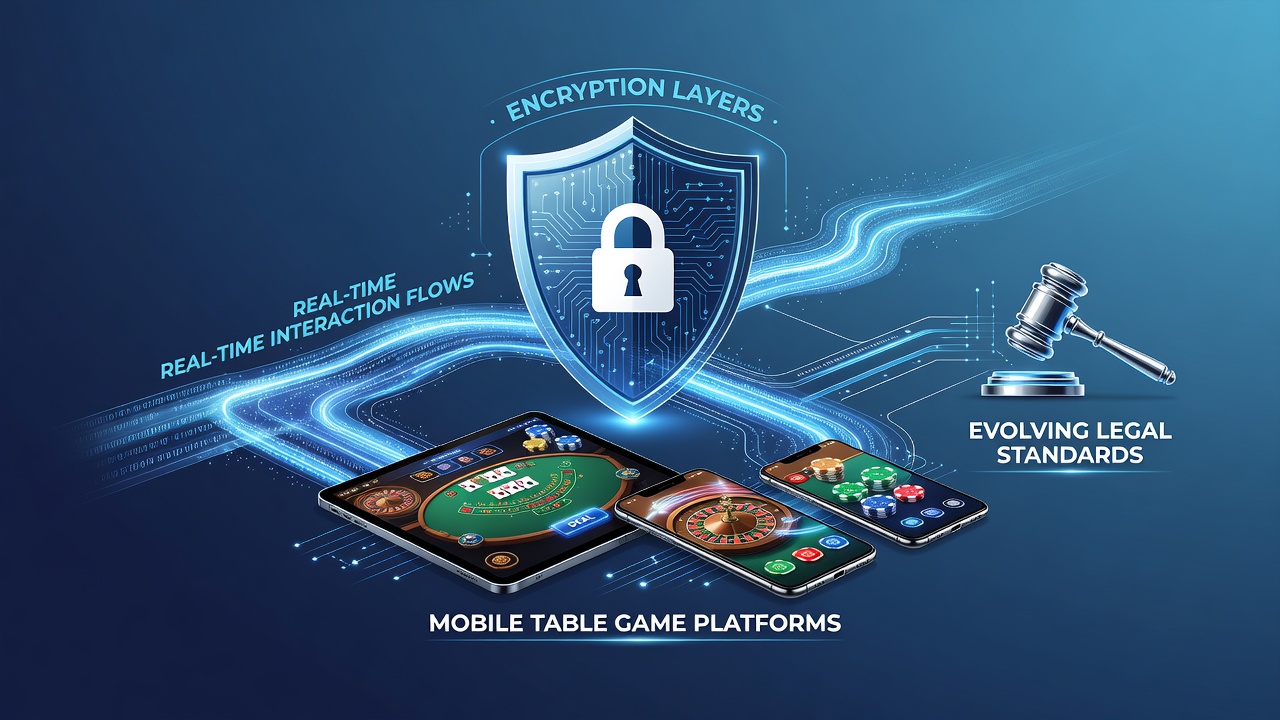
Encryption Layer Advancements Reshape Real-Time Flows in Mobile Table Game Platforms
Encryption layer advancements continue to alter how data moves through mobile table game platforms, especially where real-time player interactions depend on low-latency connections. Platforms running blackjack, poker, and roulette now incorporate updated protocols that balance stronger security with the need for immediate response times, while operators navigate shifting regulations across multiple jurisdictions.
Protocol Updates and Their Technical Footprint
Recent shifts toward TLS 1.3 and early post-quantum cryptographic methods have reduced handshake times in many systems, yet they introduce additional computational steps during ongoing sessions. Data from industry testing shows these changes cut initial connection delays by up to 30 percent in controlled environments, but they require more processing power on mobile devices once gameplay begins. Observers note that table game flows, which rely on continuous synchronization between players and dealers, feel the effects most directly when encryption overhead stacks with video encoding demands.
Developers have responded by implementing hybrid encryption models that combine traditional elliptic curve methods with newer lattice-based algorithms. These hybrids maintain compatibility with existing legal frameworks while preparing for future quantum-resistant standards. Research indicates that platforms adopting such models report measurable drops in packet retransmission rates during peak hours, although device-specific performance varies widely.
Latency Patterns in Live Table Interactions
Real-time interaction flows suffer when encryption layers add even modest delays to each data packet traveling between mobile clients and central servers. In table games, where timing affects decisions such as hit-or-stand choices or bet placements, these additions compound across multiple players. Studies from portable platform audits reveal that average round-trip times increased by 12 to 18 milliseconds in sessions using full post-quantum suites compared with legacy setups, a difference players notice during fast-paced rounds.
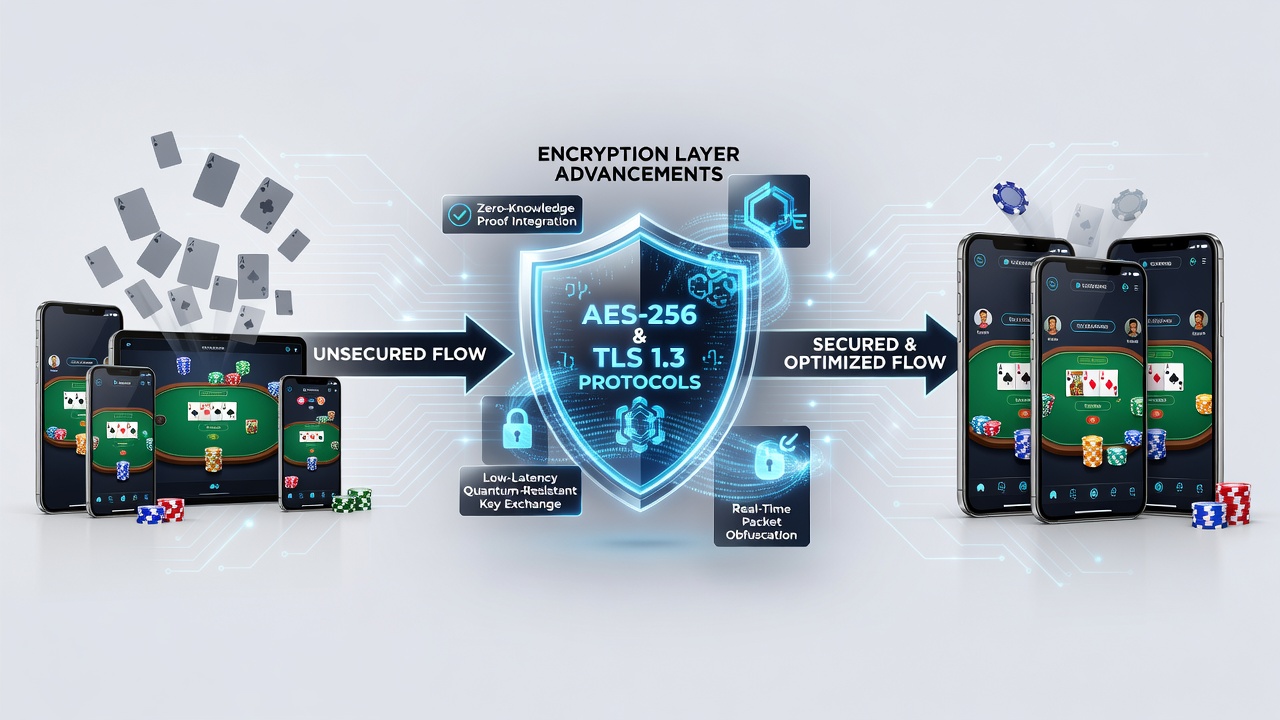
Operators have countered this by optimizing cipher suite ordering and offloading certain cryptographic tasks to edge servers closer to users. One case involving a multi-state platform showed that strategic server placement reduced encryption-related latency by nearly half, allowing streams to stay within acceptable thresholds for live dealer synchronization. The reality is that device hardware plays a decisive role here, with newer chipsets handling the load more efficiently than older models still common in some markets.
Evolving Legal Standards and Compliance Pressures
Legal requirements continue to evolve, particularly around data protection and cross-border data flows. In October 2026 several jurisdictions updated guidance on encryption strength for online gaming operators, pushing for minimum key lengths and mandatory logging of cryptographic events. These rules intersect directly with real-time systems because stronger encryption often means larger payloads and more frequent key rotations, both of which can affect interaction timing.
Platforms operating under frameworks similar to those enforced by the UK National Cyber Security Centre and the European Union Agency for Cybersecurity must demonstrate that security measures do not degrade service quality below defined thresholds. Compliance teams now track both encryption metrics and latency statistics in unified dashboards, ensuring reports satisfy auditors while gameplay remains fluid. Those who have studied these intersections observe that operators who integrate encryption planning early in development cycles encounter fewer post-launch adjustments.
Regional Variations and Platform Adaptations
Different regions apply distinct timelines for adopting new encryption mandates, creating uneven landscapes for mobile table game providers. North American operators face state-level variations that sometimes conflict with federal recommendations, while Australian and Canadian frameworks emphasize consumer data safeguards alongside gaming integrity. This patchwork forces platforms to maintain multiple encryption configurations that switch based on user location, adding another layer of complexity to real-time routing decisions.
Adaptations include selective encryption, where only sensitive actions such as bet confirmations receive the heaviest protection while less critical updates travel under lighter protocols. Testing across devices demonstrates that this approach preserves responsiveness without violating current legal minimums, though future rule changes may narrow the options available.
Conclusion
Encryption layer advancements continue to influence real-time interaction flows on mobile table game platforms through direct effects on latency, device load, and compliance workflows. As legal standards tighten across regions, operators balance stronger protections against the need for seamless player experiences, relying on hybrid protocols, edge optimization, and adaptive configurations to meet both technical and regulatory demands. Data collected through October 2026 indicates these adjustments remain ongoing as platforms refine their approaches under evolving requirements.